How to Heal After a Breakup (Emotionally, Not Just Moving On). A breakup doesn’t just end a relationship.
It ends routines.
Shared dreams.
And the version of you that existed with someone else.
You may still wake up, go to work, talk to people —
but inside, something feels shattered.
If you’re searching
“how to heal after a breakup”,
you’re not trying to forget them.
You’re trying to breathe again.
You’re not weak for feeling this deeply.
You’re not dramatic for still hurting.
And you’re not behind in healing.
Breakup healing is emotional, not just physical distance. This guide will help you understand how to heal after a breakup emotionally, why emotional pain after a breakup feels so intense, and how to slowly rebuild yourself — without rushing “moving on.”
What This Article Will Help You Understand
- Why breakups hurt more than people expect
- What emotional healing after a breakup really looks like
- How to heal after a breakup without suppressing pain
- Why “moving on” is not the same as healing
- How to gently rebuild your emotional safety
Why Breakups Hurt So Deeply
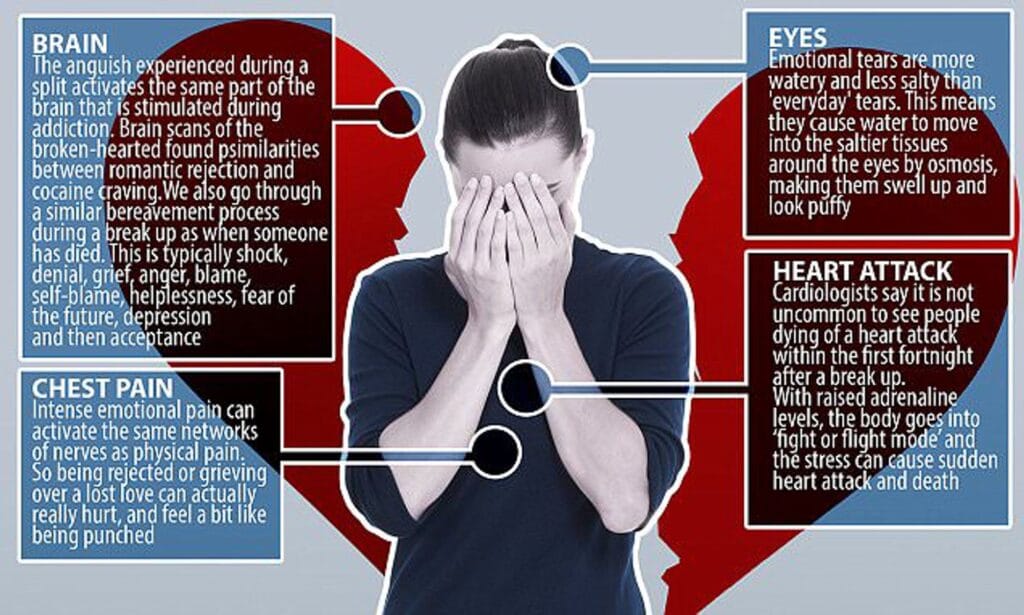
Breakups hurt because your mind and body experience them as loss.
Not just of a person — but of:
- Emotional safety
- Familiar routines
- A shared future
- Identity as “us”
- Daily emotional comfort
Your brain releases stress hormones when attachment is broken. That’s why emotional pain after a breakup can feel like:
- Chest tightness
- Heavy sadness
- Restlessness
- Fatigue
- Difficulty sleeping
This pain is not imaginary.
It’s your nervous system reacting to loss.
What Emotional Healing After a Breakup Really Means
Healing after a breakup does not mean:
- Forgetting them
- Pretending you don’t care
- Being happy all the time
- Rushing into a new relationship
Emotional healing means:
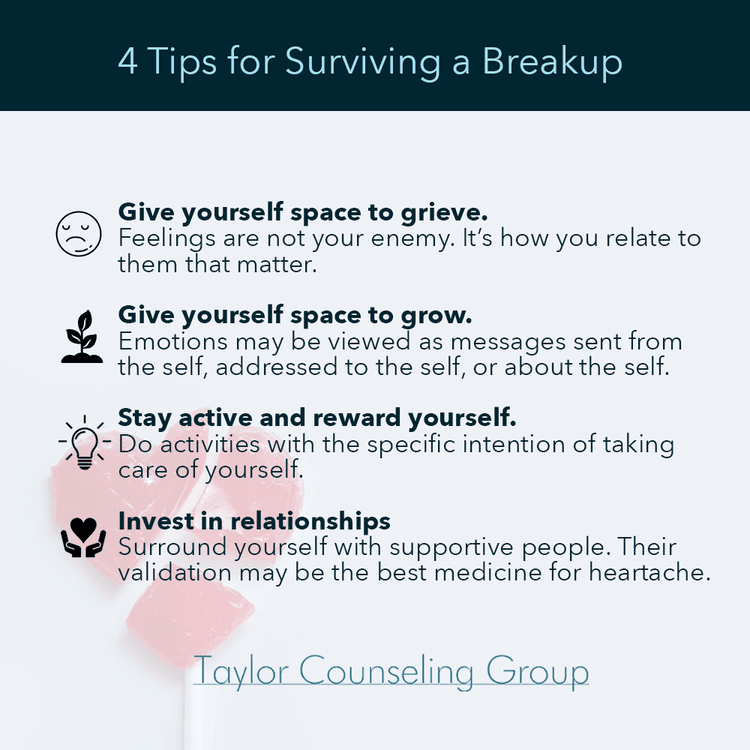
- Allowing yourself to grieve
- Accepting that something meaningful ended
- Rebuilding emotional safety within yourself
- Learning to be okay with quiet moments again
You don’t heal by forcing strength.
You heal by allowing honesty.
Common Emotional Pain After a Breakup
Many people experience:
- Sudden waves of sadness
- Overthinking past conversations
- Regret and self-blame
- Loneliness, even around others
- Anxiety about the future
- Missing the person even when the relationship was unhealthy
These emotions don’t mean you’re stuck.
They mean your mind is processing attachment loss.
Moving On vs Real Healing (Important Difference)
| Moving On | Emotional Healing |
|---|---|
| Avoiding feelings | Facing emotions gently |
| Staying busy to distract | Sitting with emotions |
| Forcing happiness | Allowing sadness |
| Rushing timelines | Respecting your pace |
| Pretending you’re okay | Slowly becoming okay |
Healing is quieter than moving on —
but it’s far more lasting.
The 5 Emotional Stages of Breakup Healing
Most people move through these stages (not in order):
- Denial – “This can’t be over”
- Anger – “Why did this happen to me?”
- Bargaining – “If only I had done this differently”
- Sadness – Deep emotional pain and grief
- Acceptance – Calm clarity and emotional release
You may revisit stages again and again.
That’s not failure — that’s healing.
How to Heal After a Breakup (Emotionally)
This is the core of breakup healing.
Step 1: Let Yourself Grieve Fully
Grief is not weakness.
It’s love with nowhere to go.
Crying, missing them, and feeling empty are natural parts of healing after a breakup.
Step 2: Release Self-Blame
Relationships end because of patterns, not one person’s flaws.
Healing cannot happen while you keep punishing yourself.
Step 3: Create Emotional Distance (Not Coldness)
Distance helps your nervous system calm.
This may include:
- Limiting contact
- Avoiding constant checking
- Muting social media triggers
Distance is not cruelty —
it’s emotional first aid.
Step 4: Rebuild Inner Safety
After a breakup, your body feels unsafe.
Rebuild safety through:
- Regular sleep
- Simple routines
- Journaling thoughts
- Gentle self-talk
- Nourishing your body
When your body feels safe, healing accelerates.
Step 5: Allow Time Without Deadlines
There is no correct timeline for breakup healing.
Some days will feel lighter.
Other days will hurt again.
Both are part of progress.
What Slows Down Breakup Healing
Healing becomes harder when:
- You suppress emotions
- You constantly stalk their social media
- You rush into another relationship
- You avoid being alone
- You compare your healing with others
Avoidance doesn’t erase pain —
it stores it for later.
Healthy Healing vs Emotional Avoidance
| Experience | What It Feels Like |
|---|---|
| Healthy healing | Sad but grounded |
| Avoidance | Numb or distracted |
| Emotional processing | Gradual relief |
| Suppression | Sudden emotional crashes |
| Self-compassion | Emotional growth |
Your emotions want space — not silence.
A Real-Life Breakup Moment
Someone may function all day —
work, talk, smile.
But at night, the silence feels unbearable.
That doesn’t mean you’re weak.
It means your grief finally has space to speak.
When Healing Takes Longer Than Expected
If healing feels slow:
- You’re not failing
- You loved deeply
- You’re human
Some wounds take time because they mattered.
Common Questions People Ask After a Breakup
How long does it take to heal after a breakup?
There is no fixed timeline. Healing depends on attachment, emotional depth, and support.
Is it normal to feel physical pain after a breakup?
Yes. Emotional pain after a breakup often shows up physically.
Can you heal without closure?
Yes. Healing comes from acceptance, not answers.
Why do I miss them even if the relationship was unhealthy?
Because attachment doesn’t disappear instantly.
Does healing mean I’ll stop caring?
No. It means caring without pain.
You Can Also Refer (Helpful Videos)
You may find these helpful:
(Choose calm, psychology-based videos — not dramatic content.)
You Can Also Refer
For deeper understanding:
You May Also Like
- How to Know If Your Relationship Is Over
- Why Relationships Trigger Anxiety, Overthinking, and Insecurity
- Why You Feel Lonely Even in a Relationship
Final Thoughts
Healing after a breakup doesn’t mean erasing love.
It means learning how to feel safe within yourself again.
You don’t need to be strong today.
You just need to be kind to yourself.
Healing is not linear —
but it is possible.
And one day, the pain will feel quieter.
Not gone — just softer