How to Build Trust in a Relationship: Trust is not loud.
It doesn’t demand attention.
But when it breaks, everything feels heavy.
You start doubting words.
You overthink actions.
Your mind never truly rests.
If you’ve ever wondered
“How do I build trust in a relationship?”
or felt your mental health suffering because of trust issues —
this post is for you.
You’re not too sensitive.
You’re not asking for too much.
And you’re not alone.
Trust is the foundation of every healthy relationship — and it directly affects your mental peace, emotional safety, and self-worth. This guide explains how to build trust, why it matters so much, and how trust (or the lack of it) impacts your mental health.
Table of Contents
- What Is Trust in a Relationship?
- Why Is Trust So Important in Relationships?
- How Lack of Trust Affects Mental Health
- Common Causes of Trust Issues
- Signs of Trust Issues in a Relationship
- How to Build Trust in a Relationship
- How Long Does It Take to Build Trust?
- Can Trust Be Rebuilt After It’s Broken?
- Trust, Attachment, and Overthinking
- What Krishna Says About Trust (Bhagavad Gita)
- Simple Daily Habits That Build Trust
- FAQs
- Final Thoughts
What Is Trust in a Relationship?
Trust means emotional safety.
It means:
- You feel secure being yourself
- You don’t constantly fear betrayal
- You believe your partner’s words and actions
- You feel respected, not anxious
Trust is not about perfection.
It’s about consistency, honesty, and emotional reliability.
Why Is Trust So Important in Relationships?
Without trust:
- Love feels uncertain
- Communication feels unsafe
- The mind stays alert instead of relaxed
With trust:
- You feel calmer
- Overthinking reduces
- Emotional connection deepens
- Mental health improves
Trust allows your nervous system to relax.
And a relaxed mind is a healthier mind.
How Lack of Trust Affects Mental Health
When trust is missing, your mental health often pays the price.
Common effects include:
- Constant overthinking
- Anxiety and insecurity
- Fear of abandonment
- Difficulty sleeping
- Emotional exhaustion
- Low self-esteem
A relationship without trust can slowly turn into a source of mental stress instead of emotional support.
Common Causes of Trust Issues
Trust issues don’t appear without reason.
They often come from:
- Past betrayal or cheating
- Broken promises
- Emotional neglect
- Dishonesty (even small lies)
- Childhood experiences
- Fear of getting hurt again
Many people don’t struggle with trust —
they struggle with unhealed experiences.
Signs of Trust Issues in a Relationship
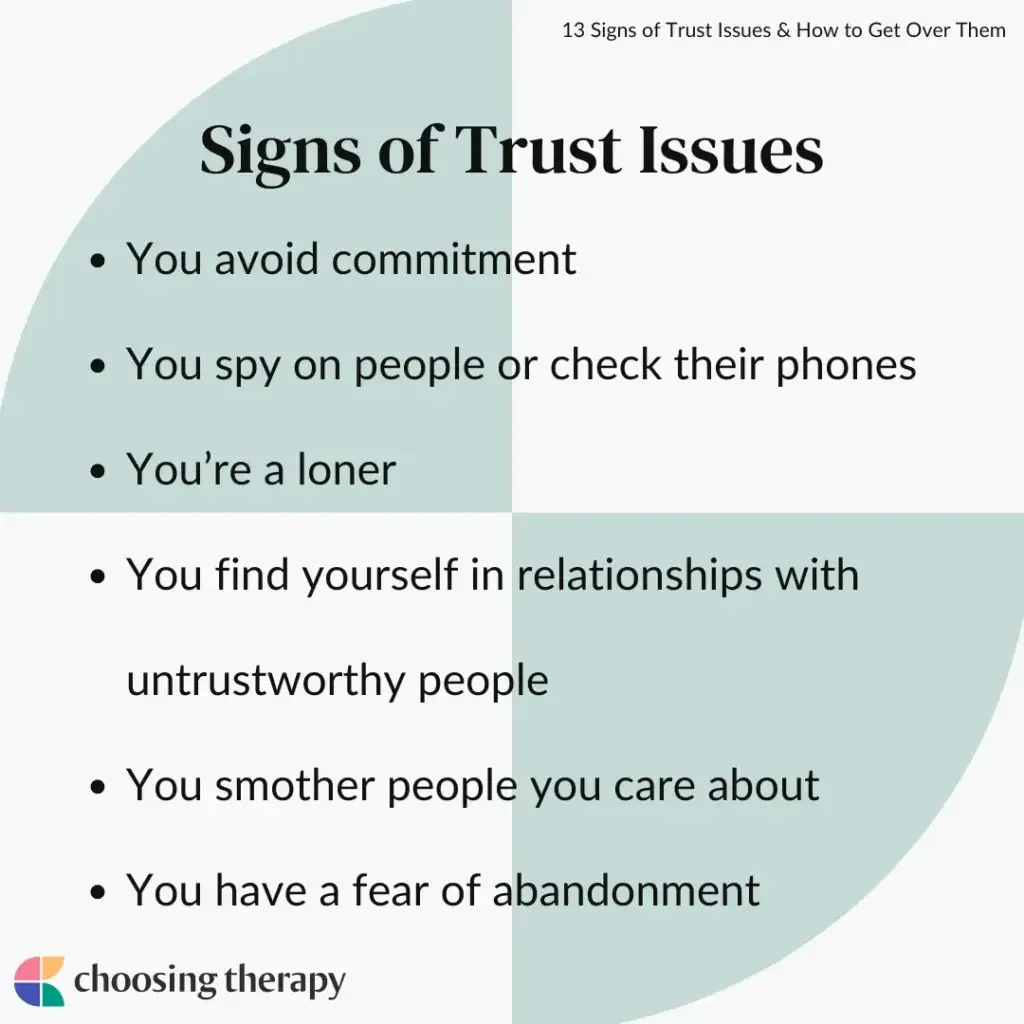
You may be dealing with trust issues if:
- You constantly doubt intentions
- You overanalyze texts and tone
- You fear honesty will lead to loss
- You feel anxious when apart
- You need constant reassurance
These signs are not weakness —
they are signals asking for safety and clarity.
How to Build Trust in a Relationship
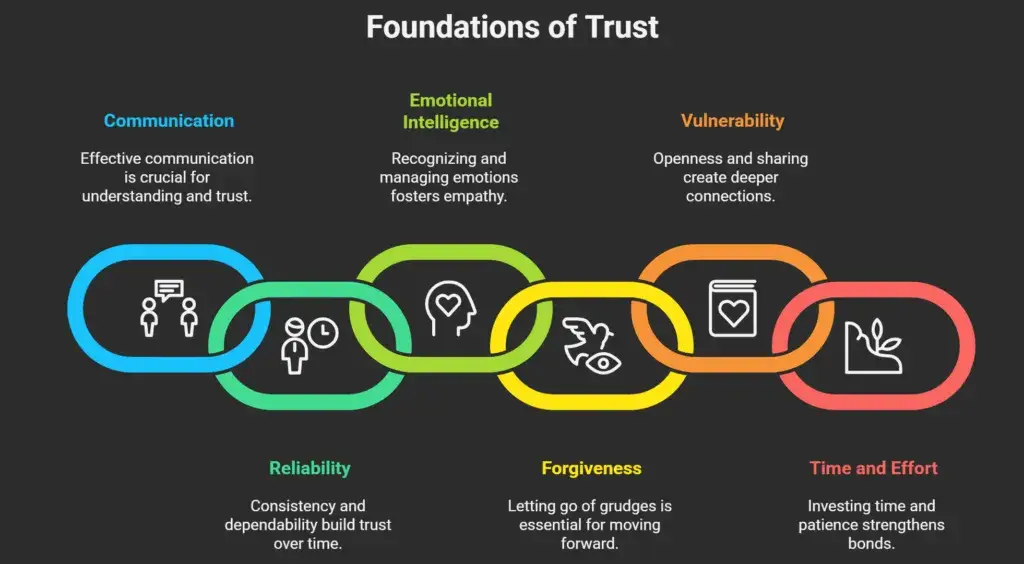
Building trust takes time, not words.
1. Practice Honest Communication
Say what you mean — calmly and clearly.
Trust grows when communication feels safe, not defensive.
2. Be Consistent With Actions
Promises matter less than patterns.
Consistency builds trust faster than grand gestures.
3. Allow Emotional Vulnerability
Trust grows when both people feel safe sharing fears, not just happiness.
4. Respect Boundaries
Healthy boundaries don’t create distance —
they create emotional security.
5. Be Patient With the Process
Trust doesn’t grow overnight.
Rushing it often damages it.
How Long Does It Take to Build Trust?
There is no fixed timeline.
Trust depends on:
- Past experiences
- Emotional openness
- Consistency over time
Some trust builds slowly.
Some is rebuilt carefully.
Both are valid.
Can Trust Be Rebuilt After It’s Broken?
Yes — but only with:
- Accountability
- Transparency
- Time
- Emotional effort from both sides
Rebuilding trust is not about forgetting.
It’s about creating new emotional evidence.
Trust, Attachment, and Overthinking
When trust is weak:
- Overthinking increases
- Anxiety rises
- The mind searches for certainty
When trust is strong:
- The mind rests
- Emotional safety increases
- Relationships feel lighter
Trust doesn’t just improve relationships —
it protects mental health.
What Krishna Says About Trust (Bhagavad Gita)
In the Bhagavad Gita, Lord Krishna speaks about faith, intention, and inner peace.
“श्रद्धावान् लभते ज्ञानं”
Shraddhāvān labhate jñānam
(Bhagavad Gita 4.39)
Meaning:
A person with faith and sincerity attains wisdom and peace.
Trust — in oneself and others — brings mental clarity and emotional balance.
Without faith, the mind remains restless.
Simple Daily Habits That Build Trust
| Habit | Why It Helps |
|---|---|
| Honest conversations | Reduces misunderstanding |
| Active listening | Builds emotional safety |
| Keeping small promises | Strengthens reliability |
| Emotional presence | Deepens connection |
| Self-trust | Improves relationship trust |
Trust starts within — and then flows outward.
How do I build trust if I’ve been hurt before?
Start slowly. Trust doesn’t mean blind belief — it means allowing consistency to prove safety.
Can trust issues ruin a relationship?
If ignored, yes. If addressed honestly, trust issues can strengthen the bond.
Is trust more important than love?
Love without trust creates anxiety. Trust allows love to feel safe.
Can therapy help with trust issues?
Yes. Therapy helps unpack past wounds that affect present relationships.
Does lack of trust cause overthinking?
Yes. The mind overthinks when emotional safety feels uncertain.
Helpful YouTube Resource
You can explore on YouTube:
Related Reads
- Why Do I Overthink Everything?
- What Is Anxiety? Signs, Causes, and How to Manage It Naturally
- Physical Symptoms of Anxiety You Shouldn’t Ignore
- Morning Depression: Why It Feels Worse at the Start of the Day
- Depression and Sleep Loss: Why It Happens and How to Fix It
Final Thoughts
Trust is not about controlling someone.
It’s about feeling emotionally safe with them.
A healthy relationship should calm your mind —
not constantly test it.
When trust grows, anxiety reduces.
When trust breaks, the mind suffers.
Choose honesty.
Choose patience.
And most importantly — choose emotional peace.
Trust is not built by fear.
It is built by consistency, faith, and care.