Signs Your Relationship Is Unhealthy. Not all unhealthy relationships look dramatic.
Some look normal — until you notice how tired you feel.
You feel anxious instead of calm.
You overthink instead of feeling secure.
You question yourself more than the relationship.
If you’ve ever wondered,
“Is my relationship unhealthy?”
this post is for you.
You’re not being negative.
You’re not overreacting.
And you’re not alone.
Unhealthy relationships affect mental health, self-esteem, and emotional safety. This guide explains the signs of an unhealthy relationship, the red flags you shouldn’t ignore, and what to do if you recognize them.
Table of Contents
- What Is an Unhealthy Relationship?
- Why It’s Hard to See Red Flags Early
- Signs Your Relationship Is Unhealthy
- Emotional Red Flags You Shouldn’t Ignore
- Mental Health Effects of an Unhealthy Relationship
- Healthy vs Unhealthy Relationship (Comparison Table)
- Why People Stay in Unhealthy Relationships
- What to Do If You Notice These Red Flags
- Can an Unhealthy Relationship Become Healthy?
- When It’s Time to Walk Away
- FAQs
- Final Thoughts
What Is an Unhealthy Relationship?
An unhealthy relationship is one where emotional safety is missing.
It may include:
- Constant stress instead of peace
- Fear instead of trust
- Control instead of respect
- Silence instead of honest communication
Unhealthy doesn’t always mean abusive —
sometimes it simply means emotionally draining and mentally exhausting.
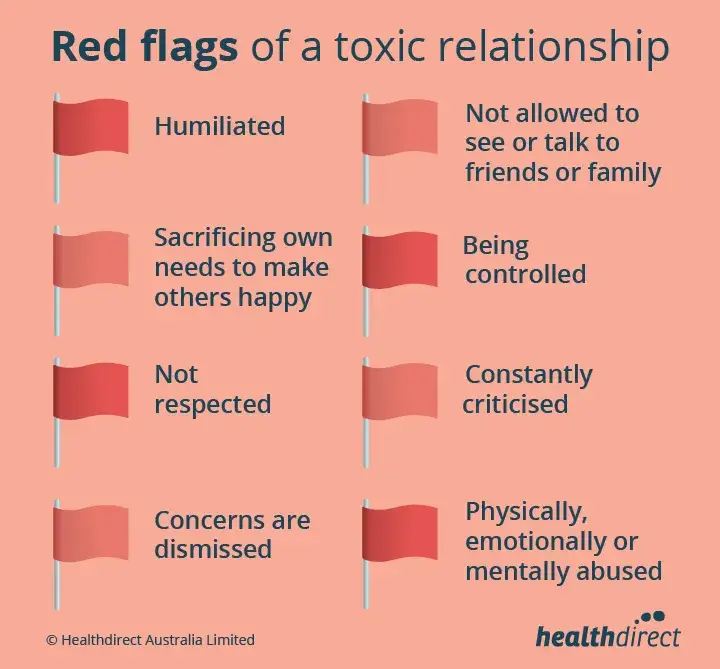
Why It’s Hard to See Red Flags Early
Red flags often appear slowly.
At first:
- You excuse behavior
- You blame yourself
- You hope things will improve
Emotional attachment makes it harder to see clearly.
That’s why many people realize the truth only when their mental health starts suffering.
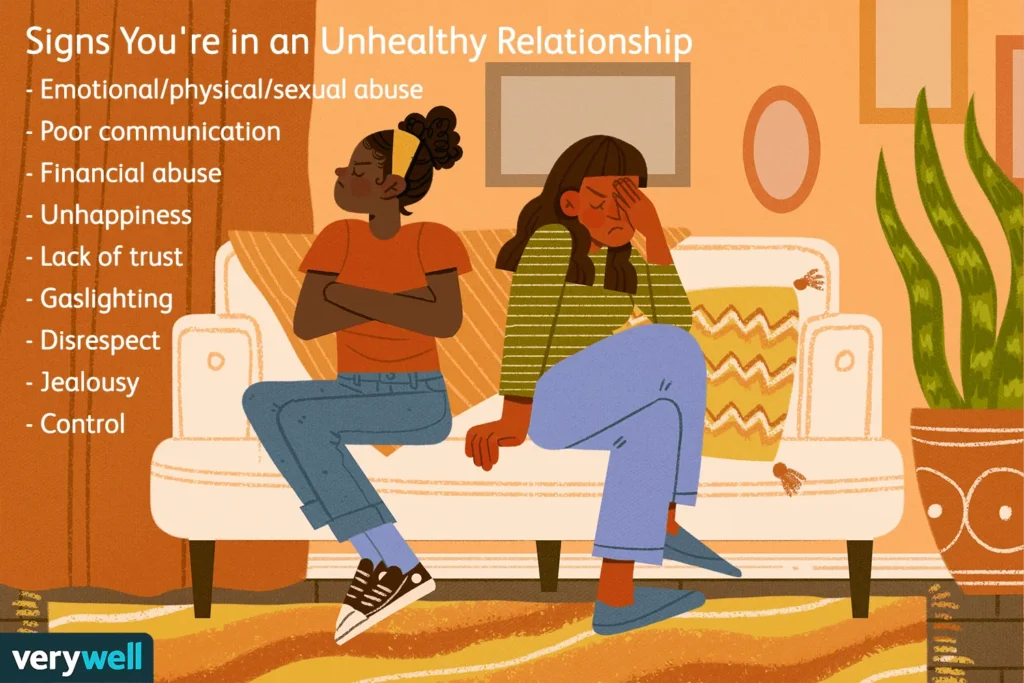
Signs Your Relationship Is Unhealthy
Here are common relationship red flags people often ignore — but shouldn’t.
1. You Constantly Feel Anxious or On Edge
A healthy relationship should calm your mind, not keep it alert.
If you feel:
- Nervous before conversations
- Afraid of upsetting your partner
- Emotionally tense most days
That’s a warning sign.
2. Communication Feels Unsafe
In an unhealthy relationship:
- You avoid expressing feelings
- Your concerns are dismissed
- Arguments end without resolution
Healthy communication feels respectful, even during conflict.
3. You’re Always Overthinking Their Actions
Constant overthinking often means emotional insecurity.
You may:
- Analyze messages and tone
- Worry about abandonment
- Seek constant reassurance
Overthinking is often a response to instability, not weakness.
4. Your Boundaries Are Ignored
Boundaries protect mental health.
Red flags include:
- Guilt when you say “no”
- Pressure to change yourself
- Disrespect for personal space
Ignoring boundaries is not love — it’s control.
5. You Feel Emotionally Drained
Love should energize, not exhaust.
If you feel:
- Mentally tired after interactions
- Less confident than before
- Emotionally empty
Your relationship may be unhealthy.
Emotional Red Flags You Shouldn’t Ignore
Some emotional red flags are subtle but harmful:
- Gaslighting (making you doubt your reality)
- Constant criticism
- Silent treatment
- Emotional manipulation
- Lack of empathy
- Controlling behavior
These patterns slowly damage self-worth and mental health.
Mental Health Effects of an Unhealthy Relationship
Staying in an unhealthy relationship can lead to:
- Anxiety
- Overthinking
- Sleep problems
- Low self-esteem
- Emotional burnout
- Depression-like symptoms
A relationship should support your mental health — not destroy it.
Healthy vs Unhealthy Relationship (Comparison Table)
| Healthy Relationship | Unhealthy Relationship |
|---|---|
| Emotional safety | Emotional fear |
| Open communication | Silence or blame |
| Mutual respect | Control or criticism |
| Trust | Constant doubt |
| Support growth | Suppress individuality |
| Calmness | Anxiety |
If your relationship matches more of the right column, it’s time to pause and reflect.
Why People Stay in Unhealthy Relationships
People often stay because of:
- Fear of being alone
- Emotional attachment
- Hope that things will change
- Low self-worth
- Social or family pressure
Staying doesn’t mean you’re weak.
It means you’re human.
What to Do If You Notice These Red Flags
Start gently:
1. Acknowledge the Truth
Denial protects pain — but delays healing.
2. Talk to Someone You Trust
An outside perspective often brings clarity.
3. Set Small Boundaries
Notice how your partner responds to them.
4. Prioritize Your Mental Health
Your peace matters — always.
Can an Unhealthy Relationship Become Healthy?
Sometimes — if both people are willing.
Change requires:
- Accountability
- Honest communication
- Respect for boundaries
- Consistent effort
If only one person tries, the relationship remains unhealthy.
When It’s Time to Walk Away
It may be time to leave if:
- Your mental health is declining
- You feel unsafe emotionally
- You’ve lost yourself trying to keep the relationship
- Your needs are constantly ignored
Leaving is not failure.
Sometimes, it’s self-respect.
How do I know if my relationship is toxic or just difficult?
All relationships have challenges. Toxic patterns are consistent and emotionally harmful.
Can love exist in an unhealthy relationship?
Yes — but love alone is not enough to sustain mental health.
Do unhealthy relationships cause anxiety?
Yes. Emotional instability often leads to anxiety and overthinking.
Is it normal to feel tired in a relationship?
Occasional tiredness is normal. Constant emotional exhaustion is not.
Should I seek professional help?
If confusion or distress persists, therapy can help bring clarity and support.
Helpful YouTube Resources
Search on YouTube:
(Add 1–2 trusted psychology or relationship education videos here)
External Resources
Also, you can read
- How to Build Trust in a Relationship (and How It Affects Your Mental Health)
- Why Do I Overthink Everything?
- What Is Anxiety? Signs, Causes, and How to Manage It Naturally
Final Thoughts
An unhealthy relationship doesn’t always scream.
Sometimes, it whispers through exhaustion, anxiety, and self-doubt.
Listen to how you feel when you’re with them.
Your body and mind often know the truth before your heart accepts it.
Love should feel safe.
Peaceful.
Supportive.
If your relationship costs you your mental health,
it’s too expensive.
Choose yourself — gently, bravely, and without guilt