What Does a Healthy Relationship Really Look Like? A healthy relationship doesn’t feel confusing.
It doesn’t make you question your worth.
And it doesn’t cost you your peace.
Instead, it feels safe.
Calm.
Supportive — even during hard moments.
If you’ve ever wondered,
“What does a healthy relationship really look like?”
this post is for you.
You’re not asking for too much.
You’re not unrealistic.
And you’re not alone.
Many people grow up seeing unhealthy patterns normalized, which makes healthy love feel unfamiliar. This guide explains what a healthy relationship truly looks like, the signs that matter most, and how it supports your mental and emotional well-being.
Table of Contents
- What Is a Healthy Relationship?
- Why Healthy Relationships Feel Different
- Core Signs of a Healthy Relationship
- Healthy vs Unhealthy Relationship (Comparison Table)
- How a Healthy Relationship Supports Mental Health
- What Healthy Communication Looks Like
- Trust, Boundaries, and Emotional Safety
- Common Myths About Healthy Relationships
- Can a Relationship Become Healthy Over Time?
- Simple Daily Habits in Healthy Relationships
- FAQs
- Final Thoughts
What Is a Healthy Relationship?
A healthy relationship is one where both people feel emotionally safe, respected, and supported.
It doesn’t mean:
- No arguments
- No problems
- No differences
It means:
- Problems are handled with respect
- Feelings are allowed
- Growth is encouraged, not controlled
A healthy relationship protects your mental health instead of draining it.

Why Healthy Relationships Feel Different
Healthy relationships often feel boring to people used to chaos.
Why?
Because:
- There’s less anxiety
- Less overthinking
- Less fear of abandonment
Peace can feel unfamiliar when you’ve only known emotional ups and downs.
But peace is not lack of love — it’s a sign of safety.
Core Signs of a Healthy Relationship
Here are clear signs of a healthy relationship most people search for.
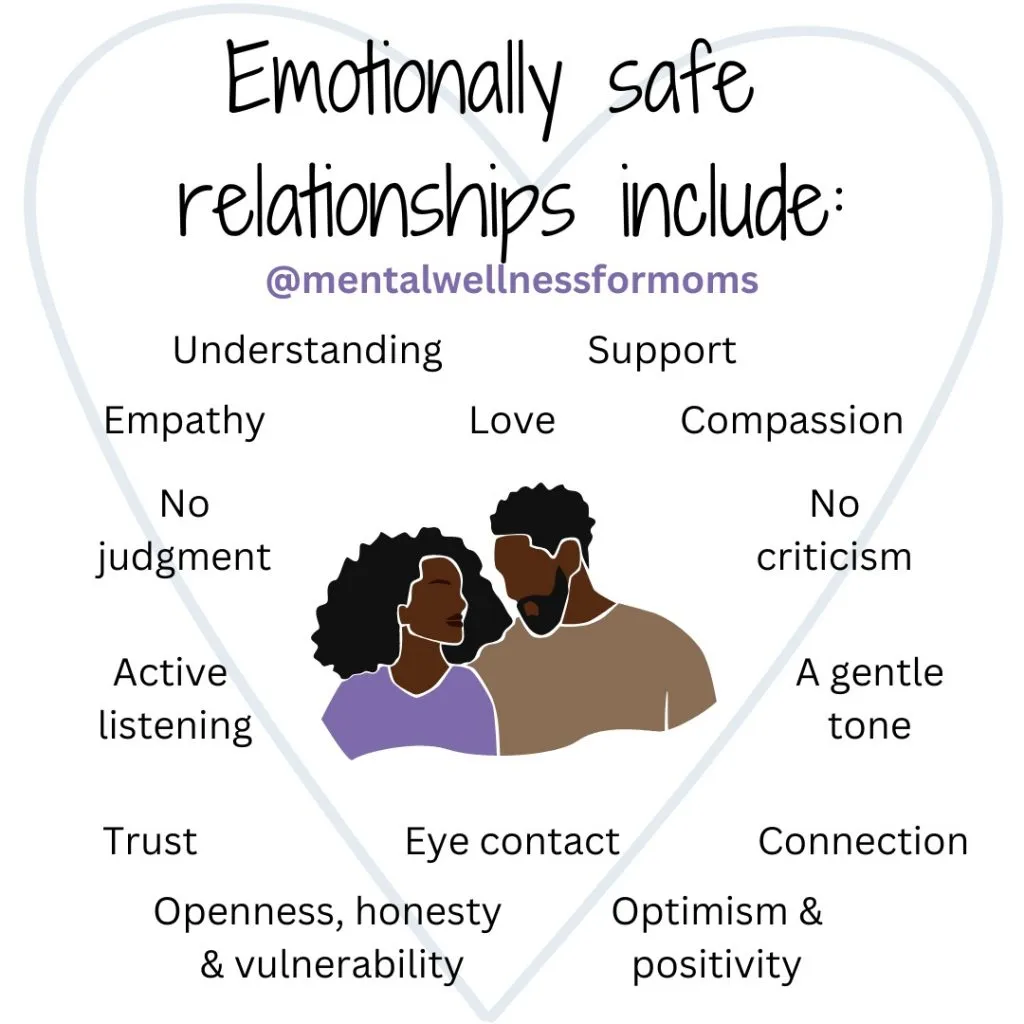
1. You Feel Emotionally Safe
You can express:
- Your thoughts
- Your fears
- Your needs
Without fear of being mocked, ignored, or punished.
2. Communication Is Honest and Respectful
Healthy communication means:
- Listening without interrupting
- Disagreeing without disrespect
- Talking without fear
Arguments don’t turn into emotional damage.
3. Trust Exists Without Constant Reassurance
You don’t feel the need to:
- Check phones
- Overanalyze messages
- Seek constant validation
Trust allows your mind to rest.
4. Boundaries Are Respected
In a healthy relationship:
- “No” is accepted
- Space is allowed
- Individual identity is respected
Boundaries don’t weaken love — they strengthen it.
5. You Feel Supported, Not Controlled
Your partner:
- Encourages your growth
- Supports your goals
- Respects your independence
Love doesn’t shrink you — it helps you expand.
Healthy vs Unhealthy Relationship
| Healthy Relationship | Unhealthy Relationship |
|---|---|
| Emotional safety | Emotional fear |
| Mutual respect | Control or manipulation |
| Honest communication | Silence or blame |
| Trust | Constant doubt |
| Mental peace | Anxiety and overthinking |
| Growth together | Losing yourself |
If your relationship looks more like the left column, you’re in a healthy space.
How a Healthy Relationship Supports Mental Health
A healthy relationship:
- Reduces anxiety
- Calms overthinking
- Improves self-esteem
- Helps emotional regulation
- Creates a sense of belonging
Love should feel like a safe place, not a constant test.
What Healthy Communication Looks Like
Healthy communication includes:
- Saying what you feel without fear
- Listening to understand, not to win
- Repairing after conflict
- Taking responsibility when wrong
Silence, avoidance, or emotional shutdown are signs communication needs attention.
Trust, Boundaries, and Emotional Safety
These three go together.
- Trust removes fear
- Boundaries create safety
- Emotional safety allows love to grow
Without emotional safety, love turns into anxiety.
Common Myths About Healthy Relationships
“Healthy relationships never fight”
“Love should be intense all the time”
“Jealousy means love”
“Sacrificing yourself is required”
Truth:
Healthy love feels stable, not stressful.
Can a Relationship Become Healthy Over Time?
Yes — if both people are willing.
It requires:
- Honest communication
- Accountability
- Respect for boundaries
- Willingness to grow
A relationship can’t become healthy if only one person is trying.
Simple Daily Habits in Healthy Relationships
| Habit | Why It Matters |
|---|---|
| Open conversations | Builds trust |
| Active listening | Creates safety |
| Respecting boundaries | Prevents resentment |
| Emotional check-ins | Strengthens connection |
| Self-care | Protects mental health |
Healthy relationships are built daily — not magically.
What does a healthy relationship feel like?
It feels calm, safe, and supportive — even during conflict.
Is a healthy relationship boring?
No. It’s peaceful, not boring. Chaos is not excitement.
Can healthy relationships have problems?
Yes. The difference is how problems are handled.
How do I know if my relationship is healthy?
You feel respected, safe, and mentally at ease most of the time.
Does a healthy relationship improve mental health?
Yes. It reduces anxiety, stress, and emotional exhaustion.
Helpful YouTube Resources
External Resources
You can also Read
- How to Build Trust in a Relationship (and How It Affects Your Mental Health)
- Signs Your Relationship Is Unhealthy (Red Flags You Shouldn’t Ignore)
- How to Know If Your Relationship Is Over
Final Thoughts
A healthy relationship doesn’t make you anxious.
It doesn’t confuse you.
And it doesn’t cost you your mental health.
Healthy love feels safe — not scary.
Supportive — not draining.
Calm — not chaotic.
If your relationship brings you peace, respect, and emotional safety,
that’s what healthy really looks like.
And you deserve nothing less.