What Is Anxiety? Do you often feel restless, worried, or tense for no clear reason?
Does your mind jump to worst-case scenarios even when everything seems fine?
Do you feel tired, overwhelmed, or on edge more often than you’d like?
If you’ve ever asked yourself,
“What exactly is anxiety?”
this post is for you.
You’re not weak.
You’re not broken.
And you’re not alone.
Anxiety is one of the most common mental health challenges today. This guide will help you understand what anxiety really is, recognize the signs, learn what causes it, and discover natural ways to manage anxiety without feeling overwhelmed.
Table of Contents
- What Is Anxiety?
- What Exactly Is Anxiety and How Does It Feel?
- What Causes Anxiety?
- What Are 5 Signs You Have Anxiety?
- What Are the Three Main Types of Anxiety?
- Is Anxiety Different From Stress?
- What Is the 3-3-3 Rule of Anxiety?
- What Is the #1 Worst Habit for Anxiety?
- What Is the Best Natural Thing for Anxiety?
- Which Vitamin Deficiency Causes Anxiety?
- How to Handle Anxiety and Stress Naturally
- Can I Beat Anxiety Without Medication?
- FAQs
- Final Thoughts
What Is Anxiety?
Anxiety is your body’s natural response to fear, stress, or perceived danger.
It’s the feeling you get when:
- You’re worried about the future
- You feel tense without knowing why
- Your mind won’t stop thinking
- Your body feels restless or alert
Anxiety is meant to protect you, but when it becomes constant or intense, it can start affecting your peace, sleep, and daily life.
What Exactly Is Anxiety and How Does It Feel?
Anxiety isn’t just “being nervous.”
It can feel like:
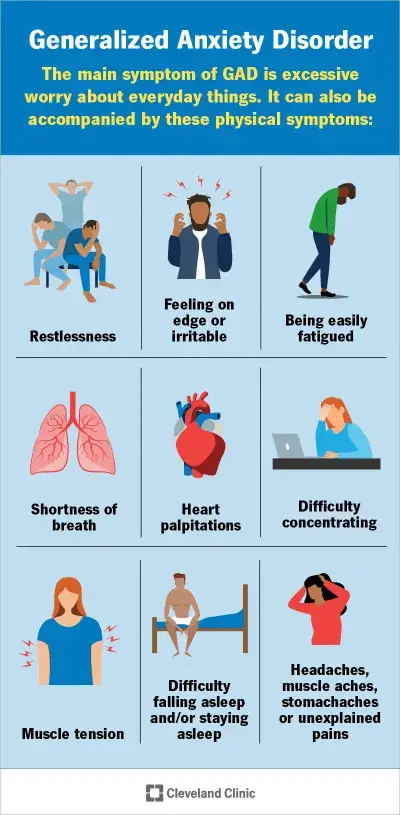
- Constant worrying
- A racing or tight chest
- Restlessness or shakiness
- Trouble concentrating
- Feeling on edge all the time
For many people, anxiety feels invisible — others may not see it, but you feel it deeply inside.
What Causes Anxiety?
Anxiety usually doesn’t come from one single reason.
It often builds slowly due to multiple factors, such as:
- Chronic stress
- Overthinking and constant worrying
- Past emotional experiences
- Fear of uncertainty
- Lack of rest or poor sleep
- Too much caffeine or screen time
- Suppressing emotions instead of expressing them
Anxiety is often your mind’s way of saying:
“Something feels overwhelming, and I need support.”
What Are 5 Signs You Have Anxiety?
Here are some common signs many people experience:
| Sign | What It Feels Like |
|---|---|
| Constant worrying | Mind won’t stop thinking |
| Restlessness | Unable to relax |
| Fatigue | Tired but wired |
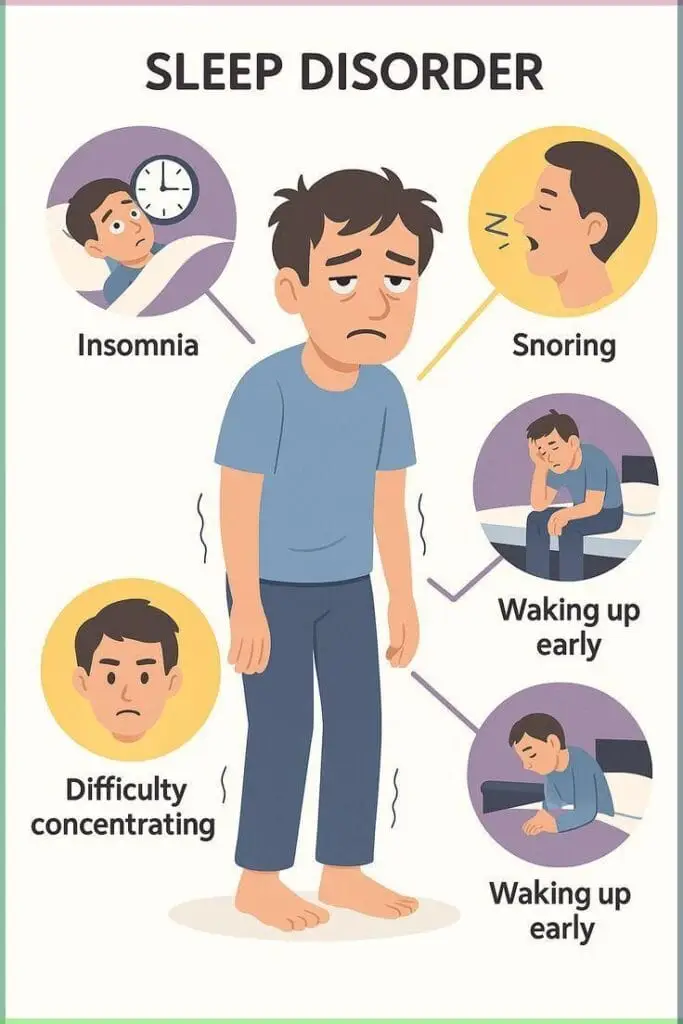
| Difficulty sleeping | Mind races at night |
| Physical tension | Headaches, tight chest, stomach issues |
If these feel familiar, you’re not alone.
What Are the Three Main Types of Anxiety?
The most common types include:
- Generalized Anxiety – constant worry about everyday life
- Social Anxiety – fear of judgment or embarrassment
- Panic-related Anxiety – sudden intense fear or panic sensations
Many people experience more than one type, and symptoms can overlap.
Is Anxiety Different From Stress?
Yes — although they are closely connected.
| Stress | Anxiety |
|---|---|
| Caused by external pressure | Often internal and ongoing |
| Usually temporary | Can persist even without a trigger |
| Reduces when situation ends | May continue without reason |
Stress can trigger anxiety, but anxiety can remain even after stress is gone.
What Is the 3-3-3 Rule of Anxiety?
The 3-3-3 rule is a simple grounding technique used during anxious moments.
- Name 3 things you can see
- Name 3 sounds you can hear
- Move 3 parts of your body
This helps bring your attention back to the present moment and calm racing thoughts.
What Is the #1 Worst Habit for Anxiety?
The worst habit for anxiety is constant overthinking.
Overthinking keeps your nervous system alert and prevents your mind from resting.
The more you analyze every thought, the louder anxiety becomes.
Learning to pause, ground yourself, and let thoughts pass is key.
What Is the Best Natural Thing for Anxiety?
There isn’t one single cure, but these natural tools help many people:
- Deep breathing
- Regular movement or exercise
- Journaling thoughts
- Reducing caffeine
- Spending time in silence or nature
- Mindfulness or meditation
Small daily habits often work better than drastic changes.
Which Vitamin Deficiency Causes Anxiety?
Some vitamin deficiencies have been linked to anxiety symptoms, including:
- Vitamin D
- Vitamin B12
- Magnesium
Always consult a healthcare professional before taking supplements.
How to Handle Anxiety and Stress Naturally
Here are gentle, effective ways to manage anxiety:
1. Slow Your Breathing
Long exhales calm the nervous system and reduce anxiety signals.
2. Write What You’re Feeling
Writing helps release emotions your mind is holding onto.
3. Reduce Mental Overload
Limit constant news, social media, and multitasking.
4. Create a Calm Routine
Consistent sleep and daily structure help your brain feel safe.
Can I Beat Anxiety Without Medication?
Yes — many people manage anxiety without medication, especially mild to moderate anxiety.
Natural methods, therapy, lifestyle changes, and self-awareness can make a big difference.
Medication is an option for some, but it’s not the only path.
Always choose what feels right for you with professional guidance.
How can I tell the difference between stress and anxiety?
Stress is usually tied to a situation. Anxiety often continues even when nothing specific is happening.
Can anxiety go away completely?
For many people, anxiety becomes much quieter and manageable with the right tools and support.
Is anxiety a weakness?
No. Anxiety is a human response — not a personal failure.
Does anxiety affect sleep?
Yes. Anxiety often causes racing thoughts and difficulty relaxing at night.
Can lifestyle changes really help anxiety?
Yes. Small, consistent changes often create powerful long-term improvement.
Helpful YouTube Resource
Search on YouTube:
Related Reads
- Why Do I Overthink Everything?
- How to Stop Overthinking at Night
- Why Does My Mind Race When I Try to Sleep?
Final Thoughts
Anxiety doesn’t mean something is wrong with you.
It means your mind and body are asking for care, rest, and understanding.
You don’t need to eliminate anxiety completely.
You just need to learn how to listen to it without letting it control you.
Be patient with yourself.
Healing is not a race — it’s a process.