Why Does Anxiety Feel Worse at Night? During the day, you somehow manage.
But at night — when everything becomes quiet — anxiety suddenly feels louder, heavier, and harder to control.
Your chest feels tight.
Your thoughts won’t slow down.
Sleep feels far away.
If you’ve ever searched
“why anxiety is worse at night”,
this post is for you.
You’re not weak.
You’re not imagining it.
And you’re not alone.
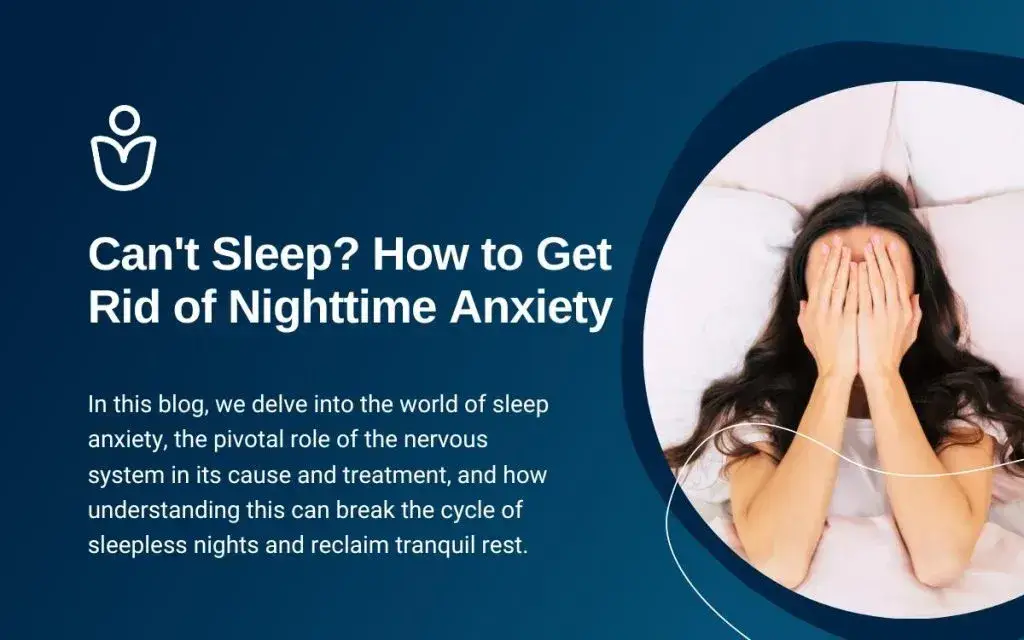
Nighttime anxiety is a very real experience. This guide explains why anxiety feels worse at night, what causes it, and how to calm anxiety before sleep naturally.
Table of Contents
- Why Does Anxiety Feel Worse at Night?
- What Is Nighttime Anxiety?
- Common Causes of Anxiety Before Sleep
- Why Does My Mind Race at Night?
- Anxiety vs Stress at Night
- What Are the Signs of Nighttime Anxiety?
- What Is the 3-3-3 Rule for Night Anxiety?
- What Is the Worst Habit That Makes Night Anxiety Worse?
- How to Calm Anxiety Before Sleep
- Simple Night Routine to Reduce Anxiety
- Can Night Anxiety Go Away Naturally?
- FAQs
- Final Thoughts
Why Does Anxiety Feel Worse at Night?
Anxiety often feels worse at night because your mind finally slows down enough to feel everything you avoided during the day.
During daytime:
- Work distracts you
- Conversations keep your mind busy
- Noise masks anxious thoughts
At night:
- Distractions fade
- Thoughts become louder
- Worries feel more intense
Night doesn’t create anxiety — it reveals it.
What Is Nighttime Anxiety?
Nighttime anxiety is when anxious thoughts, physical tension, or fear increase before or during bedtime.
It can show up as:
- Racing thoughts before sleep
- Fear of not sleeping
- Sudden anxiety when lying down
- Feeling alert even when exhausted
Many people describe it as:
“My body is tired, but my mind won’t stop.”
Common Causes of Anxiety Before Sleep
There is rarely just one cause.
Nighttime anxiety often comes from a combination of factors:
- Overthinking during quiet moments
- Stress not processed during the day
- Fear of the future
- Replaying past mistakes
- Irregular sleep schedule
- Too much screen time at night
- Caffeine or stimulants late in the day
Your brain uses nighttime as a space to process unresolved emotions.
Why Does My Mind Race at Night?
Your mind races at night because:
- Stress hormones are still active
- You haven’t emotionally “unloaded” the day
- Silence allows thoughts to surface
A racing mind is often a sign that your nervous system hasn’t felt safe enough to rest yet.
Anxiety vs Stress at Night
Although related, anxiety and stress are not the same.
| Stress | Anxiety |
|---|---|
| Triggered by situations | Often internal |
| Reduces when problem ends | Can continue without cause |
| Day-focused | Often worse at night |
Stress can cause anxiety — but anxiety can stay long after stress is gone.
What Are the Signs of Nighttime Anxiety?
You may experience nighttime anxiety if you notice:
- Difficulty falling asleep
- Tight chest or shallow breathing
- Constant worrying at bedtime
- Feeling restless or alert
- Fear of the next day
- Replaying thoughts again and again
Nighttime anxiety is common — but it doesn’t have to control you.
What Is the 3-3-3 Rule for Night Anxiety?
The 3-3-3 rule helps ground your mind when anxiety spikes at night.
- Name 3 things you can see
- Name 3 sounds you can hear
- Move 3 parts of your body
This gently pulls your mind out of anxious thoughts and into the present moment.
What Is the Worst Habit That Makes Night Anxiety Worse?
The worst habit is lying in bed worrying about sleep itself.
Thoughts like:
- “What if I don’t sleep?”
- “Tomorrow will be ruined.”
This creates a cycle:
fear → tension → more anxiety → less sleep
Sleep comes when pressure is removed, not increased.
How to Calm Anxiety Before Sleep
Here are simple ways to calm nighttime anxiety naturally.
1. Write Your Thoughts Down
Before bed, write everything on your mind.
This tells your brain:
“I don’t need to think about this right now.”
2. Slow Your Breathing
Try this:
- Inhale for 4 seconds
- Exhale for 6 seconds
- Repeat for 5 minutes
Longer exhales calm the nervous system.
3. Reassure Yourself
Repeat quietly:
“I am safe right now.”
This reduces fear-based thoughts and signals calm.
Simple Night Routine to Reduce Anxiety
| Time | Habit |
|---|---|
| 1 hour before bed | Phone off |
| 45 minutes | Journaling |
| 30 minutes | Light stretching |
| 15 minutes | Deep breathing |
| Bedtime | Reassuring phrase |
Consistency helps your brain associate night with safety.
Can Night Anxiety Go Away Naturally?
Yes.
Many people reduce nighttime anxiety through:
- Better routines
- Emotional awareness
- Breathing and grounding
- Reducing overstimulation
- Self-kindness
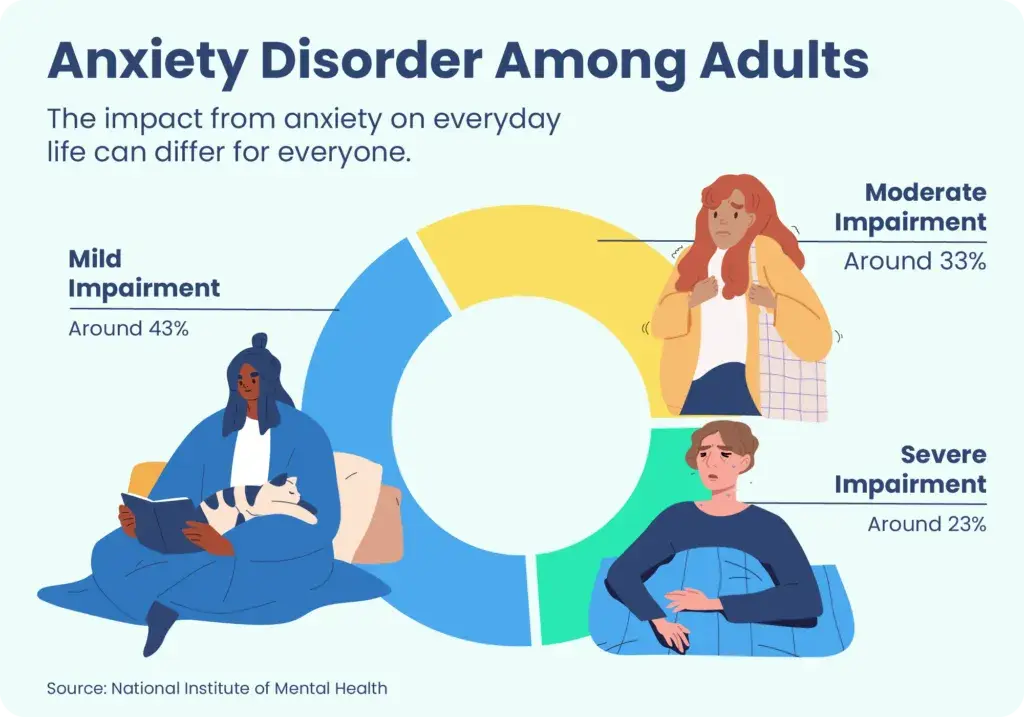
Medication can help some people, but natural methods work well for many, especially when anxiety is mild to moderate.
Why is anxiety always worse at night?
Because the mind becomes quiet enough to notice unresolved stress and emotions.
Is nighttime anxiety dangerous?
No, but it can affect sleep and quality of life if ignored.
Can anxiety wake you up at night?
Yes. Anxiety can cause light sleep or sudden waking.
Does nighttime anxiety ever stop?
Yes. With awareness and gentle habits, it often becomes much calmer.
Should I see a doctor for night anxiety?
If anxiety is severe or persistent, professional support can help.
Helpful YouTube Resource
Click to explore yourself:
Related Reads
- What Is Anxiety? Signs, Causes, and How to Manage It Naturally
- Why Do I Overthink Everything?
- How to Stop Overthinking at Night
Final Thoughts
Anxiety feels worse at night not because you’re weak —
but because your mind finally stops running and starts feeling.
You don’t need to fight your anxiety.
You need to understand it and gently calm it.
Tonight, you don’t have to solve everything.
You just need to rest.
Sleep will come — one calm breath at a time