10 Physical Symptoms of Anxiety You Shouldn’t Ignore Anxiety doesn’t only live in your mind.
Very often, it shows up in your body first.
A tight chest.
A dizzy feeling.
An uneasy stomach.
A racing heart — even when nothing seems wrong.
If you’ve ever searched
“physical symptoms of anxiety”,
this post is for you.
You’re not imagining it.
You’re not weak.
And you’re not alone.
Anxiety can cause real, uncomfortable physical sensations. This guide explains the physical symptoms of anxiety you shouldn’t ignore, why they happen, and how to calm them naturally.
Table of Contents
- What Are the Physical Symptoms of Anxiety?
- Why Does Anxiety Cause Physical Symptoms?
- Anxiety Chest Pain: What It Feels Like
- Anxiety Dizziness and Lightheadedness
- Anxiety Stomach Problems and Digestive Issues
- Other Common Body Symptoms of Anxiety
- How to Tell Anxiety Symptoms Apart From Medical Issues
- Can Physical Anxiety Symptoms Be Dangerous?
- How to Calm Physical Symptoms of Anxiety Naturally
- Simple Daily Habits to Reduce Anxiety Symptoms
- FAQs
- Final Thoughts
What Are the Physical Symptoms of Anxiety?
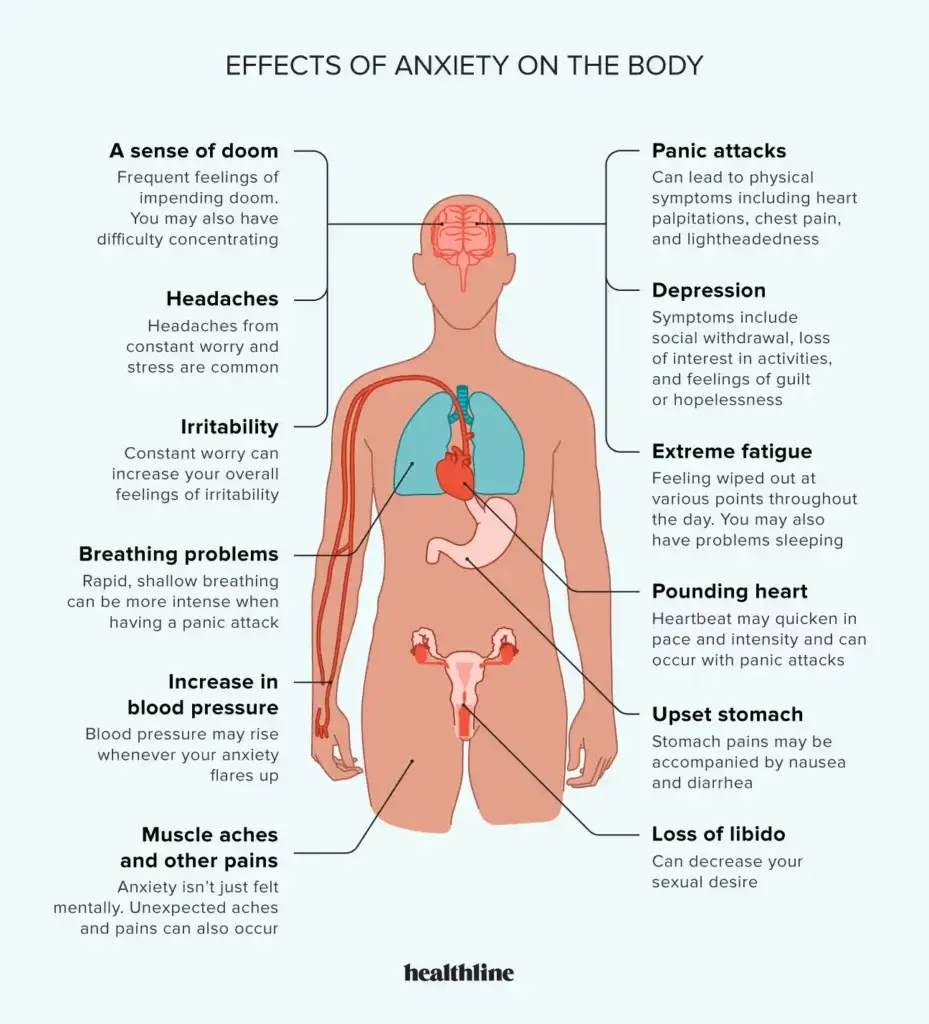
Physical symptoms of anxiety are body reactions triggered by fear or stress, even when no physical danger is present.
Anxiety activates your body’s fight-or-flight response, preparing you to react — even when you don’t need to.
That’s why anxiety often feels physical, not just emotional.
Why Does Anxiety Cause Physical Symptoms?
When anxiety is triggered:
- Stress hormones are released
- Heart rate increases
- Muscles tighten
- Digestion slows
- Breathing becomes shallow
Your body believes it needs to protect you.
The problem is — with anxiety, this response can stay switched on for too long.
Anxiety Chest Pain: What It Feels Like
One of the most frightening physical symptoms of anxiety is chest pain.
Anxiety chest pain may feel like:
- Tightness or pressure in the chest
- Sharp or stabbing sensations
- Burning or heaviness
- Pain that comes and goes
Chest pain from anxiety is often linked to muscle tension and shallow breathing, not heart damage.
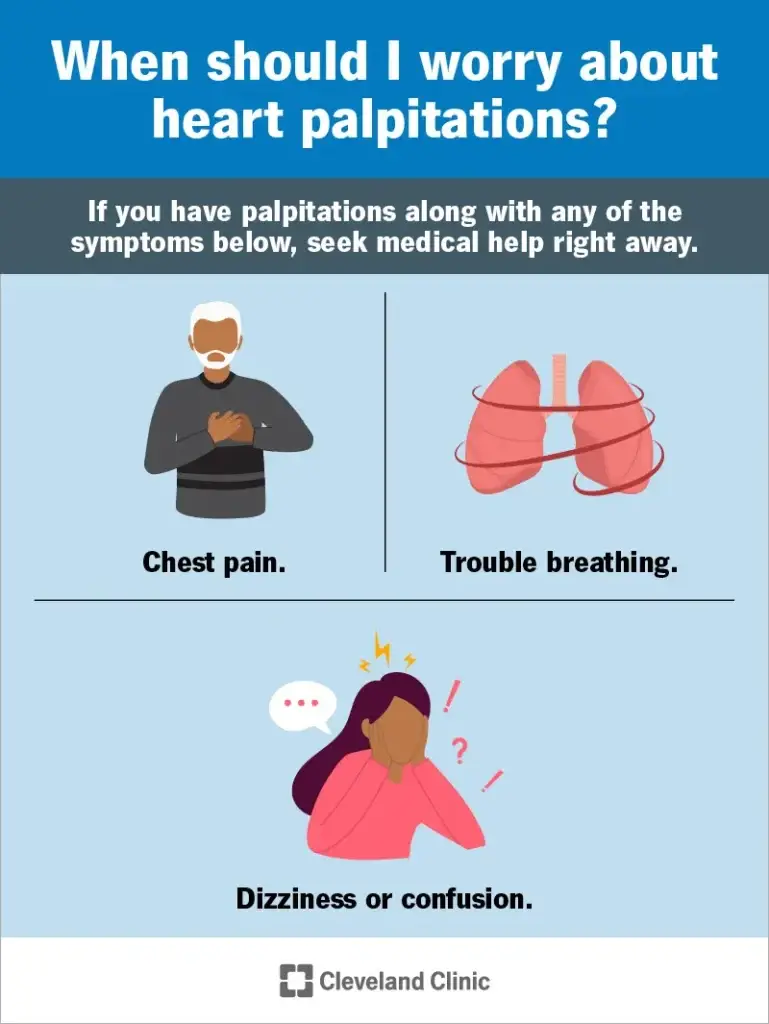
=> If chest pain is severe, new, or unusual, medical evaluation is always important.
Anxiety Dizziness and Lightheadedness
Many people experience dizziness from anxiety, especially during anxious moments.
This can feel like:
- Lightheadedness
- Feeling faint
- Unsteadiness
- A floating or off-balance sensation
Anxiety dizziness often happens due to rapid breathing, muscle tension, or heightened alertness.
Anxiety Stomach Problems and Digestive Issues
Your gut is closely connected to your brain.
Common anxiety stomach problems include:
- Nausea
- Bloating
- Stomach cramps
- Acid reflux
- Diarrhea or constipation
When anxiety is active, digestion slows — which is why stress often upsets the stomach.
Other Common Body Symptoms of Anxiety
Anxiety can also cause:
- Rapid heartbeat or palpitations
- Sweating or chills
- Muscle tension or aches
- Headaches
- Shortness of breath
- Tingling sensations
- Fatigue or weakness
These symptoms are real — even if medical tests come back normal.
How to Tell Anxiety Symptoms Apart From Medical Issues
It can be hard to tell the difference, which often increases worry.
Anxiety symptoms usually:
- Appear during stress or worry
- Improve when calm
- Come and go
- Affect multiple body areas
Medical symptoms often:
- Get progressively worse
- Stay constant
- Are unrelated to emotional state
When in doubt, professional evaluation brings clarity and peace of mind.
Can Physical Anxiety Symptoms Be Dangerous?
Anxiety symptoms themselves are not usually dangerous, but they can feel intense and scary.
The real risk comes from:
- Ignoring anxiety long-term
- Constant stress on the body
- Poor sleep and exhaustion
Managing anxiety helps protect both mental and physical health.
How to Calm Physical Symptoms of Anxiety Naturally
Here are gentle ways to calm your body:
1. Slow Your Breathing
Long, slow exhales relax the nervous system and reduce chest tightness.
2. Relax Your Muscles
Stretching or gentle movement releases tension stored in the body.
3. Ground Yourself
Notice what you can see, hear, and feel to bring your body back to the present.
4. Reduce Stimulants
Limit caffeine and sugar, especially during anxious periods.
Simple Daily Habits to Reduce Anxiety Symptoms
| Habit | Why It Helps |
|---|---|
| Regular sleep | Calms stress hormones |
| Light exercise | Releases tension |
| Journaling | Reduces mental load |
| Deep breathing | Calms physical symptoms |
| Consistent routine | Signals safety to the body |
Small habits practiced daily make a big difference.
Can anxiety really cause physical pain?
Yes. Anxiety can cause chest pain, headaches, muscle tension, and stomach issues.
Why do anxiety symptoms feel so real?
Because anxiety activates real physical processes in the body.
Can anxiety cause dizziness every day?
Yes, especially if stress and tension remain constant.
Will physical anxiety symptoms ever stop?
Yes. With awareness, routine, and calming techniques, symptoms often reduce significantly.
Should I see a doctor for anxiety symptoms?
If symptoms are new, severe, or worrying — professional guidance is always helpful.
Helpful YouTube Resource
You can learn on YouTube:
Related Reads
- What Is Anxiety? Signs, Causes, and How to Manage It Naturally
- Why Does Anxiety Feel Worse at Night?
- Why Do I Overthink Everything?
Final Thoughts
Physical symptoms of anxiety can feel frightening —
but they are your body asking for care, not warning you of danger.
You don’t need to fight your body.
You need to listen to it gently.
Healing doesn’t start with fear.
It starts with understanding.
One calm breath at a time